The Majestic 9th-Century Pinnacle of Hindu Architecture
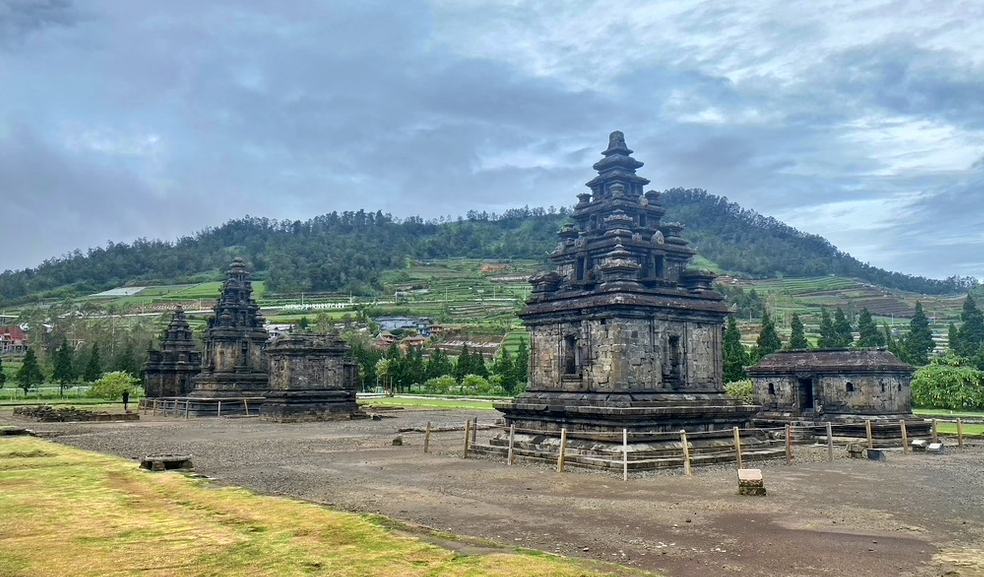
Rising majestically above the plains of Central Java, Prambanan Temple is the largest and most breathtaking Hindu temple complex in Indonesia. Located just 17 kilometres east of Yogyakarta, this architectural masterpiece was originally constructed in the mid-9th century by King Rakai Pikatan of the Sanjaya Dynasty as a grand tribute to the Trimurti, the three primary deities in the Hindu faith.
The entire archaeological complex originally comprised 240 temples. However, centuries of neglect and devastating earthquakes most notably a catastrophic eruption and quake in the 11th century left the site in ruins. While early accounts of the broken structures were made by Dutch surveyor C.A. Lons in 1733, the complex was systematically surveyed in 1811 by a team under Sir Stamford Raffles. Over the years, many of the stones were buried underground or repurposed by locals, leaving the structures barely recognizable.
A monumental, painstaking restoration effort began in 1930 and culminated in 1991. Because international archaeological standards require that at least 75% of the original stone components must be present to rebuild a structure, only the most prominent temples can be fully reconditioned. At the absolute heart of the complex stand the towering shrines dedicated to Shiva (the Destroyer), Brahma (the Creator), and Vishnu (the Preserver). Among them, the Shiva temple stands as the grandest, anchoring the entire sacred layout.
Today, thanks to the historic cooperation of local communities who helped return displaced stones and statues during reconstruction, the main temples stand in a beautifully solid and resilient state. Prambanan remains not only a UNESCO World Heritage site and a global tourism icon but also an active, sacred sanctuary for Hindu worshipers, particularly during major spiritual festivals in Yogyakarta.